Business
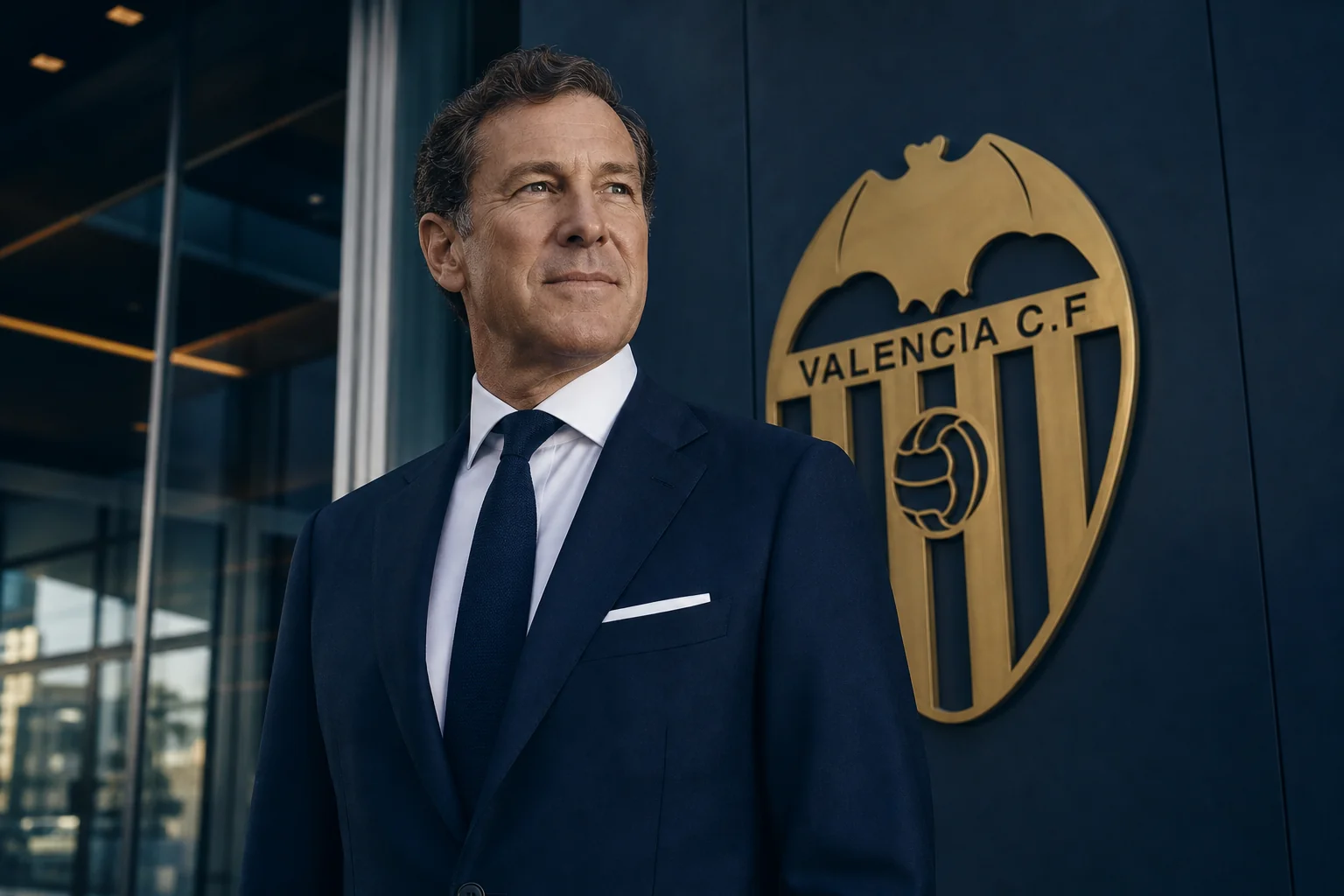
Greg Penner Expands Global Sports Portfolio With Valencia CF Investment
The Walmart chairman continues his strategic shift into international sports, securing a significant stake in the Spanis...

Consumers are reevaluating their subscription choices as fatigue sets in, leading to a rise in cancellations across multiple platforms. With rising costs and overwhelming monthly charges, many are taking back control of their finances by opting for more mindful consumption.


In recent years, the subscription model has become the go-to strategy for tech companies aiming to secure a steady stream of revenue.
What began as a promising alternative to traditional cable television has now spiraled into a complex web of monthly charges for everything from streaming services to fitness apps.
However, the latest data suggests that consumers are beginning to push back against this model, leading to a wave of subscription cancellations across numerous platforms.
Imagine this scenario: your phone buzzes, and it’s a notification from your credit card company.
Your Amazon Prime membership has just auto-renewed.
The next day, another ping—this time, it’s Netflix.
Then Spotify.
One by one, the charges pile up like digital clutter you forgot to cancel.
This situation is becoming increasingly familiar to many people, prompting a reassessment of their spending habits.
According to recent research conducted by Sparrow, Amazon Prime leads the pack in subscription cancellations, with a staggering 578,000 monthly searches related to ending memberships.
This is closely followed by Disney+ and Hulu, while Snapchat and TikTok see a significant number of “delete” search terms.
The overarching message is clear: consumers are growing weary of the subscription model.
Subscription fatigue is undeniably setting in. When streaming services first gained popularity, they were few in number and appeared to be an affordable, if not downright economical, alternative to cable.
Paying $10 a month for unlimited access to movies on Netflix or music on Spotify seemed like a fantastic deal compared to the steep fees of cable TV, which still bombarded viewers with advertisements.
For a time, the subscription model felt like a win-win situation.
Consumers paid a small monthly fee for unlimited access to vast libraries of content.
However, the landscape has since changed. The number of subscriptions people hold has ballooned, with everything from alarm clocks to journaling apps demanding monthly payments.
What was once a manageable expense has become a source of financial strain for many.
It’s not just about the money; it’s also about the mental load.
Managing a plethora of subscriptions has become a chore.
In an era of rising costs and tighter budgets, people are starting to do the math—and then, the cancelling.
Amazon Prime’s 578,000 monthly cancellation-related searches reflect more than just price sensitivity; they reflect burnout.
Disney+, Hulu, Audible, and other services are not far behind in this trend.
Professor Elie Ofek of Harvard Business School notes, “There is such a thing as a poorly thought-out subscription model. The pricing structure has to be ‘right’ to be successful.” This is a sentiment echoed by many users who are reevaluating the value they receive for their monthly fees.
The trend of subscription cancellations is not limited to streaming services. A significant number of consumers are also reevaluating their app subscriptions.
As companies have increasingly shifted to subscription models, even for services that were once available for a one-time purchase, users are questioning the necessity and value of these recurring charges.
Dan Rayburn, a streaming media analyst, explains, “Every single company has raised rates, and the No. 1 cost is licensing and producing content. The cost of licensing has skyrocketed, and as a result, companies are unable to generate profit unless they charge consumers more.” This rise in prices, coupled with an abundance of exclusive content and the introduction of ads in previously ad-free tiers, has left many consumers feeling disillusioned.
Some users have adapted by becoming more strategic with their subscriptions. A user on Reddit shared their approach of rotating streaming services, keeping only a couple active at a time and switching based on available content they wish to watch.
This behavior reflects a broader shift towards more mindful consumption.
Looking ahead, the subscription model as we know it may be headed for a major transformation.
Companies are already exploring various strategies to retain users, such as offering annual billing discounts, ad-supported tiers, and bundling services.
Consumers, on the other hand, are becoming savvier, asking themselves practical questions about the value and frequency of use of each subscription.
In the near future, we might see the emergence of more flexible pricing options, such as pay-per-stream or short-term passes.
Bundling could also make a comeback, with platforms collaborating to offer shared ecosystems at a discounted rate.
Alternatively, the allure of ownership might resurface, with consumers rediscovering the pleasure of buying and keeping something permanently.
Ultimately, the surge in subscription cancellations is not just a warning shot for companies; it’s a reckoning.
The days of mindlessly accumulating subscriptions are over.
The cancel button is no longer just an exit—it’s a reset for consumers reclaiming control over their digital expenditures.