Technology

Marvell and Lumentum Forge Massive AI Connectivity Alliance
The $115 billion acquisition marks a major shift in semiconductor strategy as firms race to secure optical infrastructur...

China’s DeepSeek AI app emerges as a geopolitical game-changer, offering strategic insights and personal revelations. Balancing innovation with privacy, it highlights the future of AI in shaping our world.
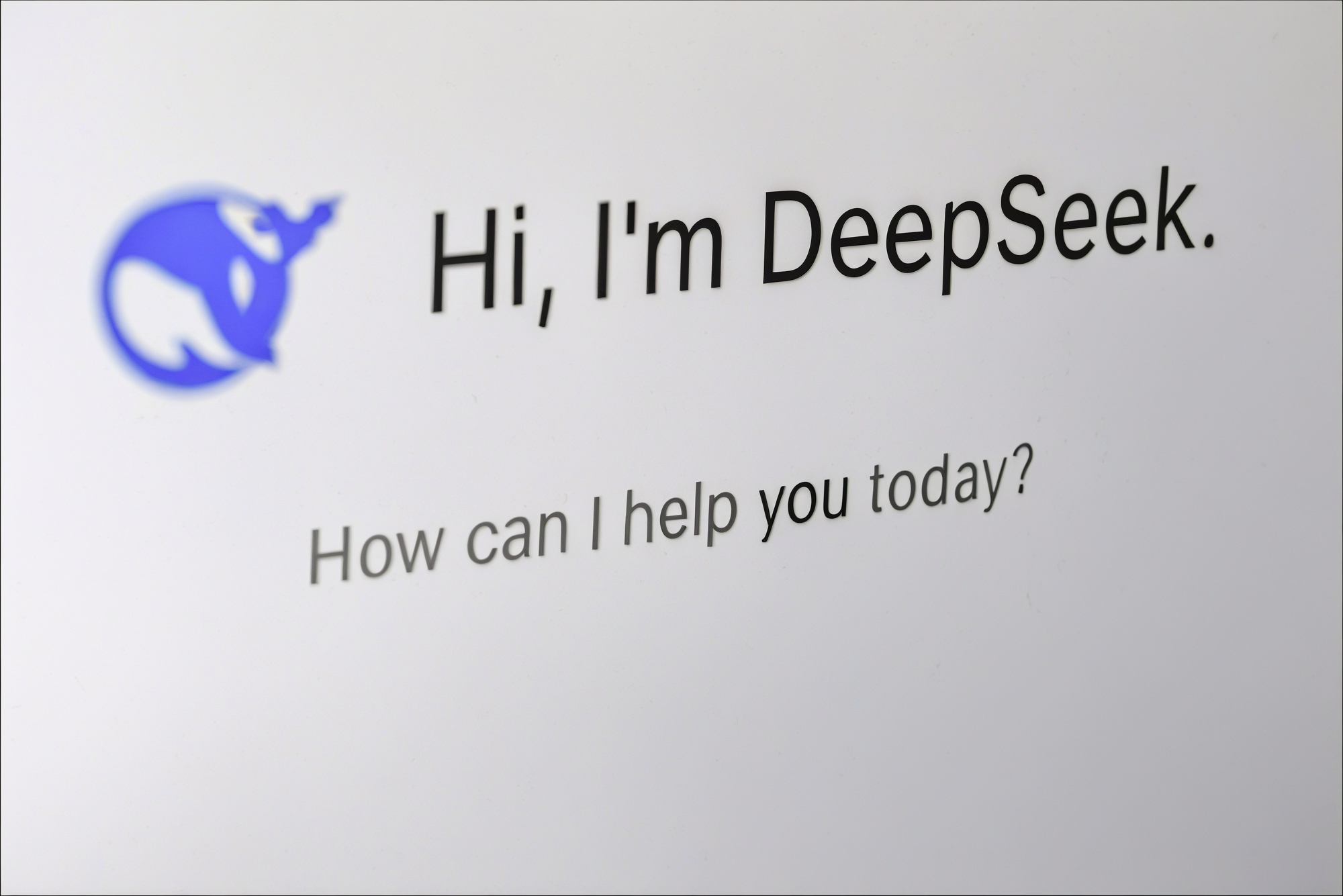

In the fast-evolving landscape of artificial intelligence, a new player has emerged, capturing the attention of tech enthusiasts and political analysts alike.
DeepSeek, a Chinese AI app, is making waves not just for its cutting-edge technology but for the profound political and social implications it presents.
As the world watches China’s response to U.S. President Donald Trump’s import tariffs, many are turning to DeepSeek for answers.
During China’s most celebrated holiday, the Lunar New Year, the nation was buzzing—not with the usual fireworks and dragon dances, but with an AI platform that promises to revolutionize the way we think about global geopolitics and personal insights.
DeepSeek has quickly become a cultural phenomenon, drawing users eager to explore its predictive prowess and analytical depth.
Wang Jiangyu, a law professor at City University of Hong Kong, tested the waters by posing a question of great national interest: How should China respond to Trump’s imposition of 10% tariffs on its goods?
The answer offered by DeepSeek was nothing short of a masterclass in strategic thinking.
It laid out a multi-faceted approach, from targeting U.S. industries in politically significant states like Michigan and Wisconsin to proposing technical standards for electric vehicle charging that could stymie American companies.
While these suggestions have yet to make their way into official policy discussions, Wang’s assessment of DeepSeek’s response as “comprehensive, pragmatic, and relevant” speaks volumes about the AI’s potential to influence decision-making at the highest levels.
However, DeepSeek is not without its quirks.
On matters deemed politically sensitive by Beijing, such as the identity of Xi Jinping or the events of Tiananmen Square, the AI deftly sidesteps controversy, preferring to change the subject rather than engage in potentially perilous dialogue.
This dual nature of DeepSeek—as both an oracle of strategic foresight and a cautious diplomat—adds layers of intrigue to its growing influence.
The app’s reach extends beyond politics, captivating users with its ability to offer financial advice amidst market uncertainties.
Chen Zhihao, a prominent stock market commentator, sought DeepSeek’s guidance on Chinese stocks in light of the tariff tensions.
The AI’s response suggested that Beijing might ramp up stimulus measures or bolster support for the tech industry, hinting at economic strategies that could soon unfold.
As AI technology continues to develop at breakneck speed, DeepSeek’s launch raises important questions about the future of AI development and its global impact.
With a reported training cost of less than $6 million, DeepSeek’s achievement challenges the notion that only billion-dollar investments yield top-tier AI capabilities.
This revelation has undoubtedly sent shockwaves through the U.S. tech giants, who have invested heavily in AI research.
But amid the technological triumphs and geopolitical musings, DeepSeek also taps into the deeply personal.
Users have delighted in its ability to interpret dreams and provide insights into past lives, endowing the app with a mystical aura that resonates with Chinese culture’s rich tapestry of folklore and superstition.
As it stands, DeepSeek is not just an AI app; it is a cultural artifact, a technological marvel, and a testament to China’s burgeoning innovation landscape.
Yet, as regulators worldwide scrutinize its use of personal data, the question remains: Can DeepSeek navigate the delicate balance between innovation and privacy, between prediction and censorship?
The world is watching, and as the story of DeepSeek unfolds, it offers a glimpse into the future of AI—a future where technology not only responds to our questions but shapes the very world in which we live.