Business
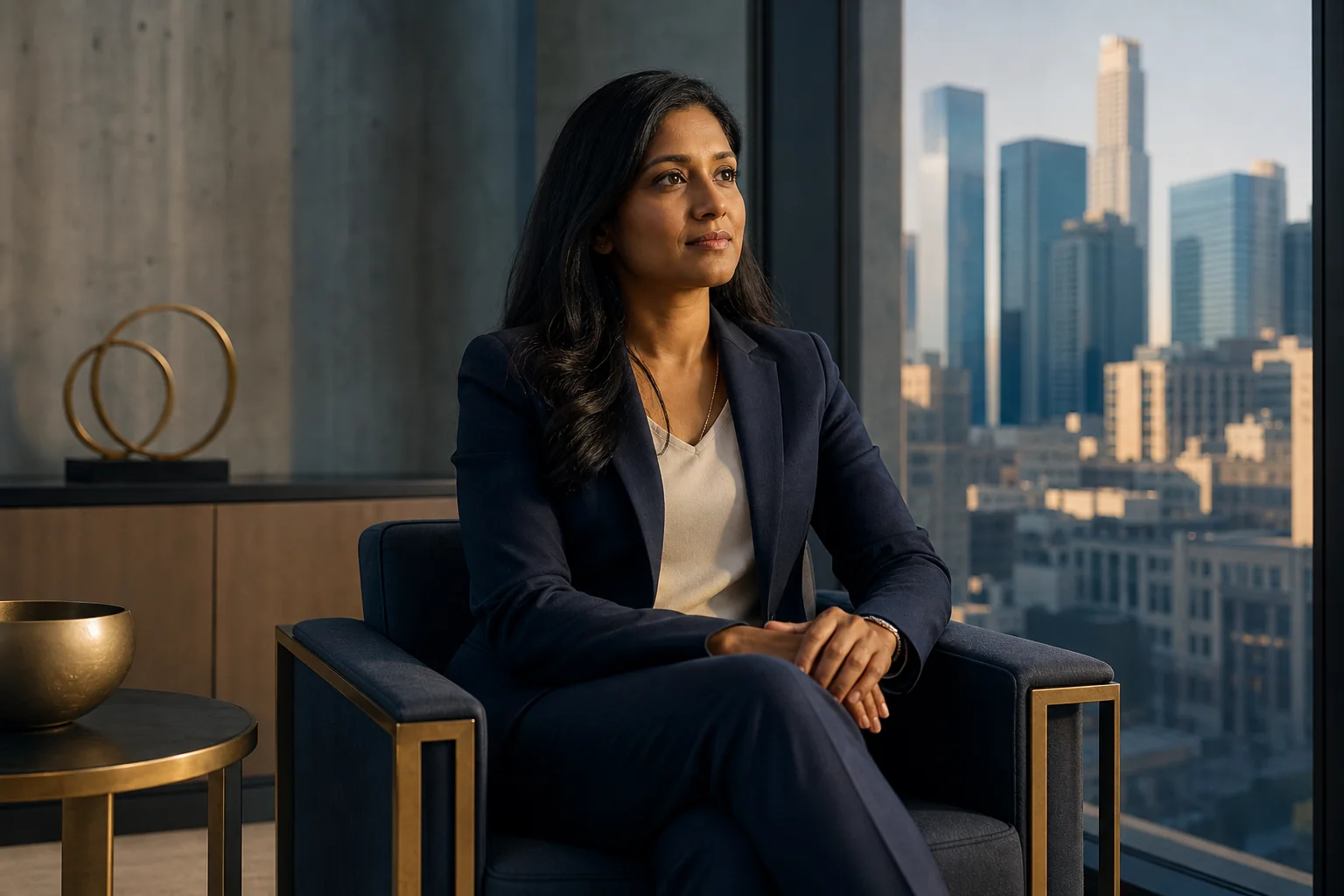
Nithya Raman and the Evolving Standards of Urban Governance in Los Angeles
The city council member balances progressive policy goals with the practical demands of municipal administration in a ch...


The launch of Wonder in Budapest signals a strategic pivot toward multifunctional urban spaces that blend luxury accommodation with local social infrastructure.


The opening of Wonder in February at 36 Király Street marks a significant evolution in the Budapest hospitality market, as the property moves beyond standard overnight accommodation to function as a multi-purpose urban hub. According to a recent report by ynetnews, the hotel integrates a high-end Italian restaurant, a cocktail bar, a wellness complex, and a dedicated cultural salon designed to capture both international travelers and local residents.
The property occupies a protected historic building that once served as a residence for notable figures, including the Olympic champion Attila Petschauer. This architectural heritage is now leveraged through a design collaboration involving architects and artists from Tel Aviv, London, and Budapest. The interior aesthetic blends 19th-century art collections with contemporary installations to establish a distinct brand identity that differentiates the site from traditional hotel chains.
Operational strategy at the venue centers on high-frequency engagement with the local population to maximize revenue streams beyond room bookings. The Popolare restaurant, led by chef Nicola, adopts an à la carte service model rather than the conventional hotel buffet, prioritizing culinary quality to compete with independent city dining establishments. This approach is mirrored in the cocktail bar, which utilizes a speakeasy design and weekend DJ programming to secure its position within the city’s social nightlife circuit.
The hotel further expands its utility through The Salon, a cultural space hosting workshops, lectures, and rooftop stargazing events. By positioning the facility as a center for intellectual and social gatherings, management aims to maintain consistent foot traffic throughout the week. This strategy reflects a broader trend among lifestyle hotels in major European capitals that seek to mitigate the seasonality of tourism by embedding themselves into the local social fabric.
Wellness services at the La Pausa complex provide an additional layer of monetization through a combination of traditional spa facilities and specialized treatments. Guests are granted access to a 2,000-square-meter gym and swimming complex located 200 meters from the main building, ensuring the property remains competitive with larger luxury resorts. The integration of smart room technology, including touch-panel environmental controls, further aligns the guest experience with modern expectations for efficiency and comfort.
Economic positioning for the property remains aggressive, with standard double rooms starting at approximately 835 shekels per night. By offering a tiered pricing structure that scales up to 1,252 shekels for two-bedroom suites, the hotel targets a diverse demographic of business travelers and leisure tourists. The inclusion of premium amenities like L’Occitane toiletries and high-speed streaming access serves to justify the price point while maintaining a lean operational footprint.
The success of this hybrid model depends on the ability to maintain a balance between the transient nature of hotel guests and the recurring patronage of city residents. As urban property developers continue to face pressure to optimize square footage, the conversion of historic buildings into multifunctional lifestyle centers offers a viable path for asset appreciation. The ability of the hotel to foster a sense of community while delivering high-margin services will serve as a key performance indicator for future developments in the region.
The strategic integration of local culture into the hospitality experience addresses the growing demand for authentic travel encounters. By providing spaces that cater to the daily lives of Budapest residents, the hotel creates a more resilient business model that is less dependent on the fluctuations of the international tourism cycle. This approach effectively transforms the hotel from a temporary lodging facility into a permanent fixture of the local urban economy.
Future expansion of this model will likely hinge on the scalability of the cultural programming and the consistency of the culinary offerings. Investors and industry stakeholders should monitor the occupancy rates and local revenue contribution as indicators of whether this integrated approach can withstand broader economic shifts in the European travel sector. The long-term viability of such projects often rests on the ability to maintain high service standards while scaling operations to accommodate both guests and the local public.

The collapse of the breakaway tour concludes a volatile period of financial disruption in professional golf.


 Optimized by Seraphinite Accelerator