Business

The Final Swing: LIV Golf Bankruptcy Marks End of an Era
The collapse of the breakaway tour concludes a volatile period of financial disruption in professional golf.


The city council member balances progressive policy goals with the practical demands of municipal administration in a challenging urban environment.
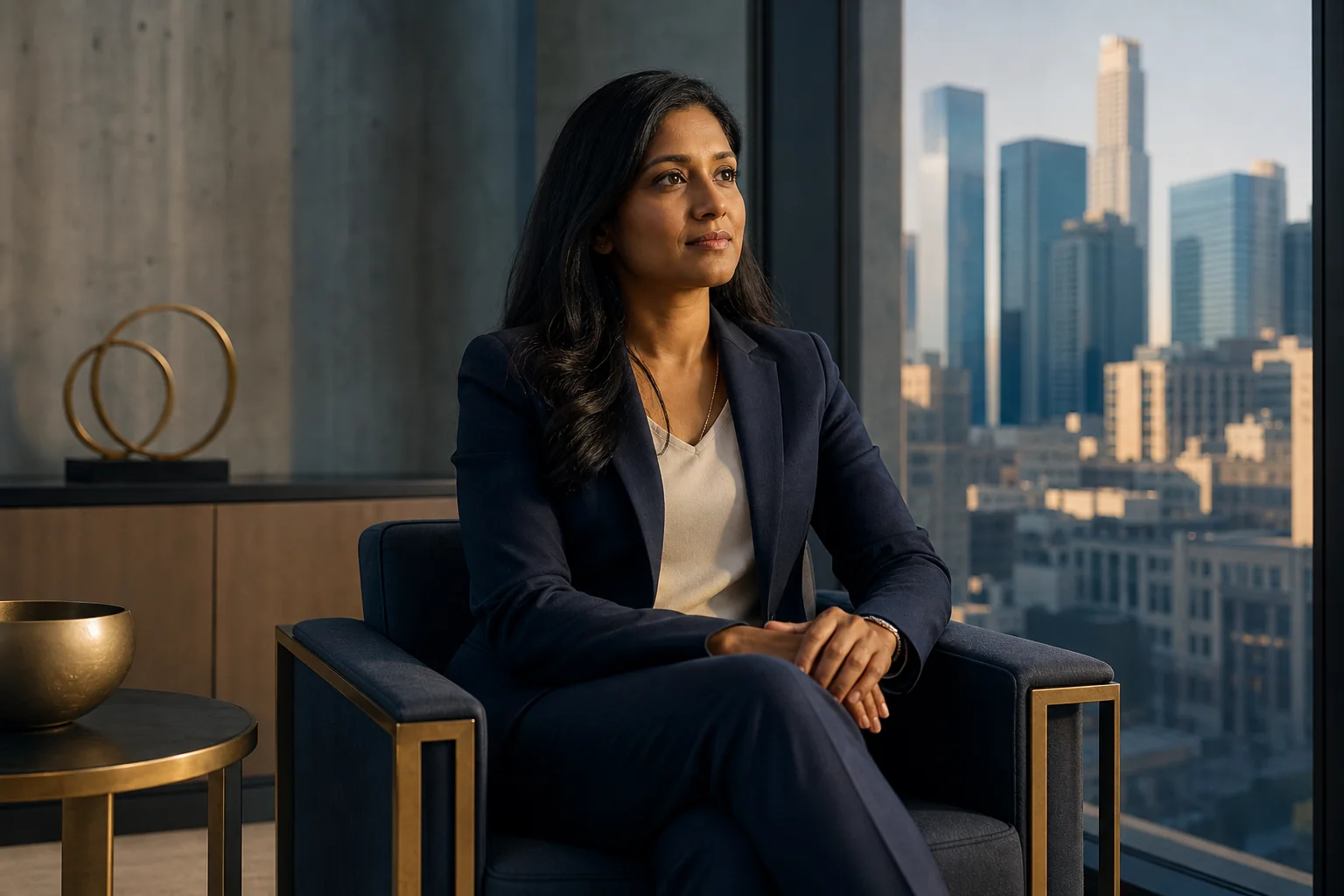

Nithya Raman, a prominent figure on the Los Angeles City Council, faces significant hurdles as she addresses housing, public safety, and infrastructure maintenance. Her recent efforts to influence the city’s trajectory highlight the ongoing tension between policy goals and the practical realities of municipal administration.
Raman has consistently operated as an outsider within the city’s political establishment, often eschewing traditional endorsements from her 14 colleagues on the Los Angeles City Council. Her platform focuses on addressing the city’s future, identifying homelessness, housing affordability, and public safety as the primary pillars of her legislative agenda.
These priorities emerge against a backdrop of a strained municipal budget that limits the scope of immediate fiscal intervention for any city official. The fiscal constraints necessitate a disciplined approach to resource allocation that Raman must manage alongside her stated policy objectives.
The political environment in Los Angeles remains defined by intense debate, including resistance from the local police union and varied reactions from the broader Democratic establishment. Raman has publicly signaled a commitment to independence, noting that her policy decisions will prioritize city interests over strict adherence to the Democratic Socialists of America agenda.
This stance has been central to her approach at various candidate forums held throughout the year. The campaign period saw Raman navigate complex social tensions, particularly regarding her statements on international conflicts.
During a forum hosted by the Jewish Federation Los Angeles, she addressed concerns regarding her past commentary, emphasizing the need to rebuild trust with constituents. Her background as an urban planner, with degrees from Harvard University and the Massachusetts Institute of Technology, informs her approach to the city’s structural decay and long-term planning.
Caroline Heldman, a political scientist at Occidental College, suggests that the success of any city leader hinges on their ability to function as a pragmatic problem-solver. Heldman notes that the electorate often responds to a focus on tangible issues like street maintenance and infrastructure, rather than purely ideological alignment.
This approach mirrors the operational style of other progressive municipal leaders who prioritize granular improvements to city services to maintain public support. The administrative context in Los Angeles occurs as the city grapples with the fallout of the Palisades Fire, an event that significantly weakened the political standing of the previous administration.
Mike Bonin, former city council member and current executive director of the Pat Brown Institute for Public Affairs at California State University, Los Angeles, characterizes Raman as a leader who is philosophically progressive but temperamentally moderate. Her tenure will be tested by the structural limitations of the city government, where power is shared extensively with the city council.
Effective governance in Los Angeles requires navigating the accordion-like nature of authority, which expands or contracts based on the individual holding the office. Raman must now reconcile her legislative rhetoric with the fiscal realities of a city that has struggled to maintain its basic infrastructure for decades.
Observers note that the nature of local government often results in diminished popularity due to the sheer scale of the challenges presented to those in power. The long-term success of any municipal strategy will depend on the development of a financially viable plan to address the city’s persistent maladies.
While Raman has expressed a desire to revitalize the creative and entrepreneurial spirit of Los Angeles, the immediate focus remains on the mechanics of city management. Stakeholders are watching to see how she balances the demands of a diverse coalition while managing the day-to-day operations of a sprawling metropolis.
Future milestones for the city administration include the release of a detailed budget proposal and the appointment of key departmental heads. These actions will provide the first concrete indicators of how the leadership intends to translate its vision into measurable outcomes for the city’s residents. The ability to deliver on these promises remains a primary measure of her effectiveness in managing the city’s ongoing operational crises.
The collapse of the breakaway tour concludes a volatile period of financial disruption in professional golf.



 Optimized by Seraphinite Accelerator