Business

BC Partners maneuvers to salvage LIV Golf assets from bankruptcy
The private equity firm is seeking control of the embattled golf circuit by targeting its bankruptcy financing as the le...

Nvidia’s latest licensing rules on semiconductor shipments to China exacerbate ongoing U.S.-China trade tensions, sending global markets into a tailspin. Investors brace for continued volatility as political maneuvering plays out on the international stage.


In the ever-evolving saga of global trade tensions, investors once again find themselves on shaky ground.
The latest tremor comes courtesy of Nvidia, the chip-making giant, which has been caught in the crosshairs of a sprawling economic conflict between the United States and China.
On Tuesday, Nvidia announced that U.S. officials have imposed new licensing requirements on shipments of its cutting-edge H20 semiconductors to China.
This move, ostensibly aimed at preventing the chips from bolstering China’s supercomputing capabilities, has sent shockwaves through global markets.
For many, Nvidia’s announcement is a stark reminder that the so-called “trade war” is far from over.
While the world has been yearning for a period of calm, the reality is that trade relations between these two superpowers remain as fraught as ever.
It is a tangled web where technology and security are merely pawns in a high-stakes game of geopolitical chess.
The immediate fallout was palpable in Asian markets.
Investors, already bruised by the unpredictability of recent months, reacted swiftly.
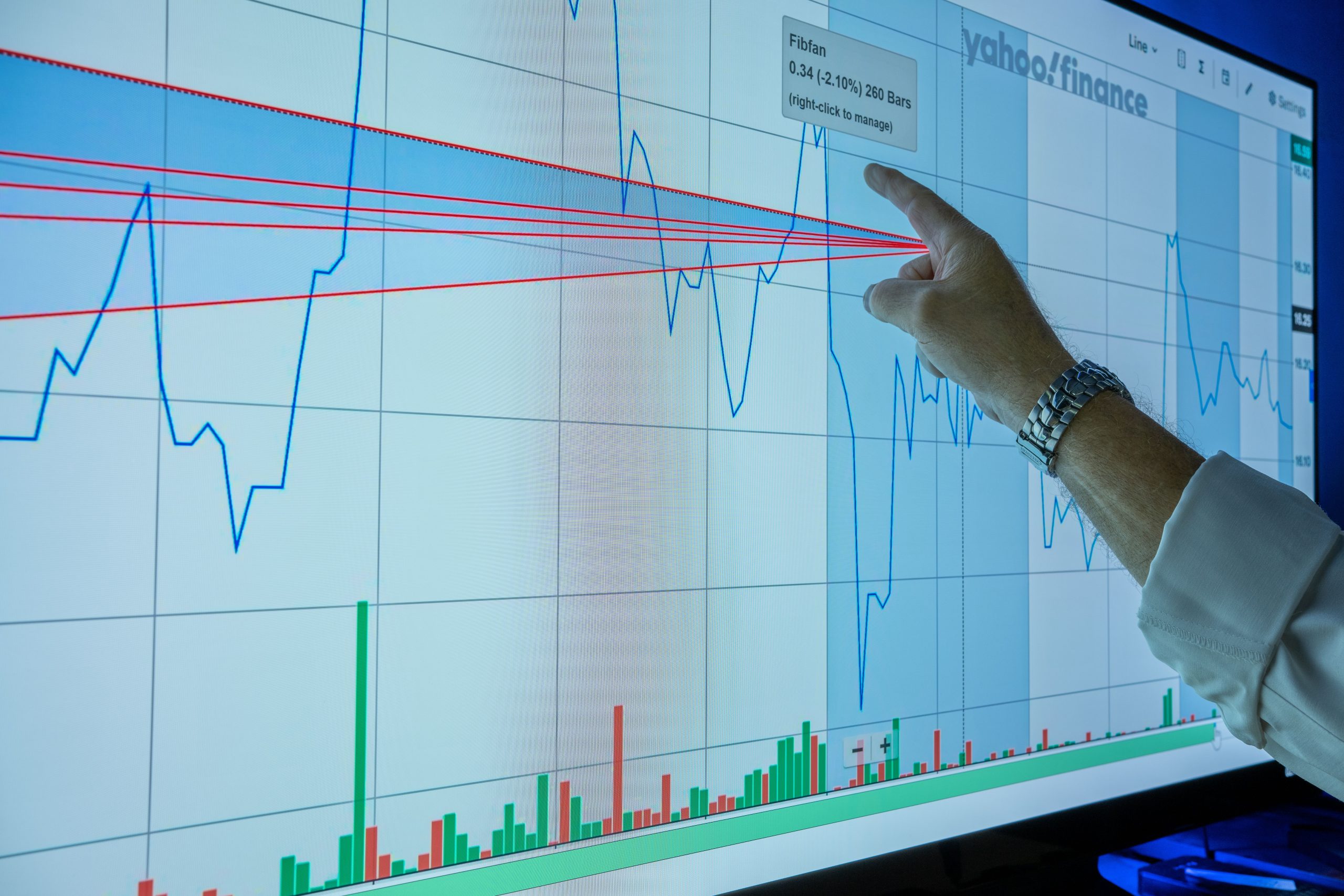
Nvidia’s shares took a nosedive, plummeting around six percent in after-market trading.
The ripples of this announcement were felt across Asia, with major players like Taiwan’s TSMC, Japan’s Advantest, and South Korea’s SK hynix all experiencing significant losses.
The broader markets mirrored this sentiment, with Hong Kong’s Hang Seng Index leading the decline at a steep 1.8 percent drop.
Commentators like Stephen Innes from SPI Asset Management noted the predictability of this unpredictability.
“Silence is never golden,” he quipped, summing up the mood with a blend of resignation and realism.
The message is clear: in the current climate, stability is the exception, not the rule.
Adding fuel to the volatile situation is the ever-present figure of Donald Trump.
The former U.S. President’s policies continue to cast a long shadow over international trade. His administration’s sweeping tariffs against China and other nations have left a legacy of uncertainty, which current policymakers are still grappling with. Trump’s latest salvo—a probe into tariffs on critical minerals—adds another layer to an already complex narrative.Find out more about Trump’s economic policies.
While these macroeconomic maneuvers unfold, the human element remains at the forefront. On the ground, businesses and consumers bear the brunt of these political decisions.
The tension between the U.S. and China is not just a story of numbers and percentages; it is a tale of livelihoods and futures caught in the crossfire.
As the markets continue their unpredictable dance, it is clear that both sides have much to lose if this standoff persists.
Yet, the path to resolution remains murky. Recent comments suggest that any reconciliation will require a move from Beijing. “The ball is in China’s court,” declared the administration, indicating that Washington isn’t in any rush to compromise.
In this climate of uncertainty, the watchwords for investors and policymakers alike are caution and resilience.
As the world watches and waits, there is hope that cooler heads will eventually prevail, ushering in an era where cooperation trumps confrontation.
Until then, the global economy remains on tenterhooks, waiting for the next twist in this high-stakes drama. Learn more about the potential impacts of the US-China trade war.