Business
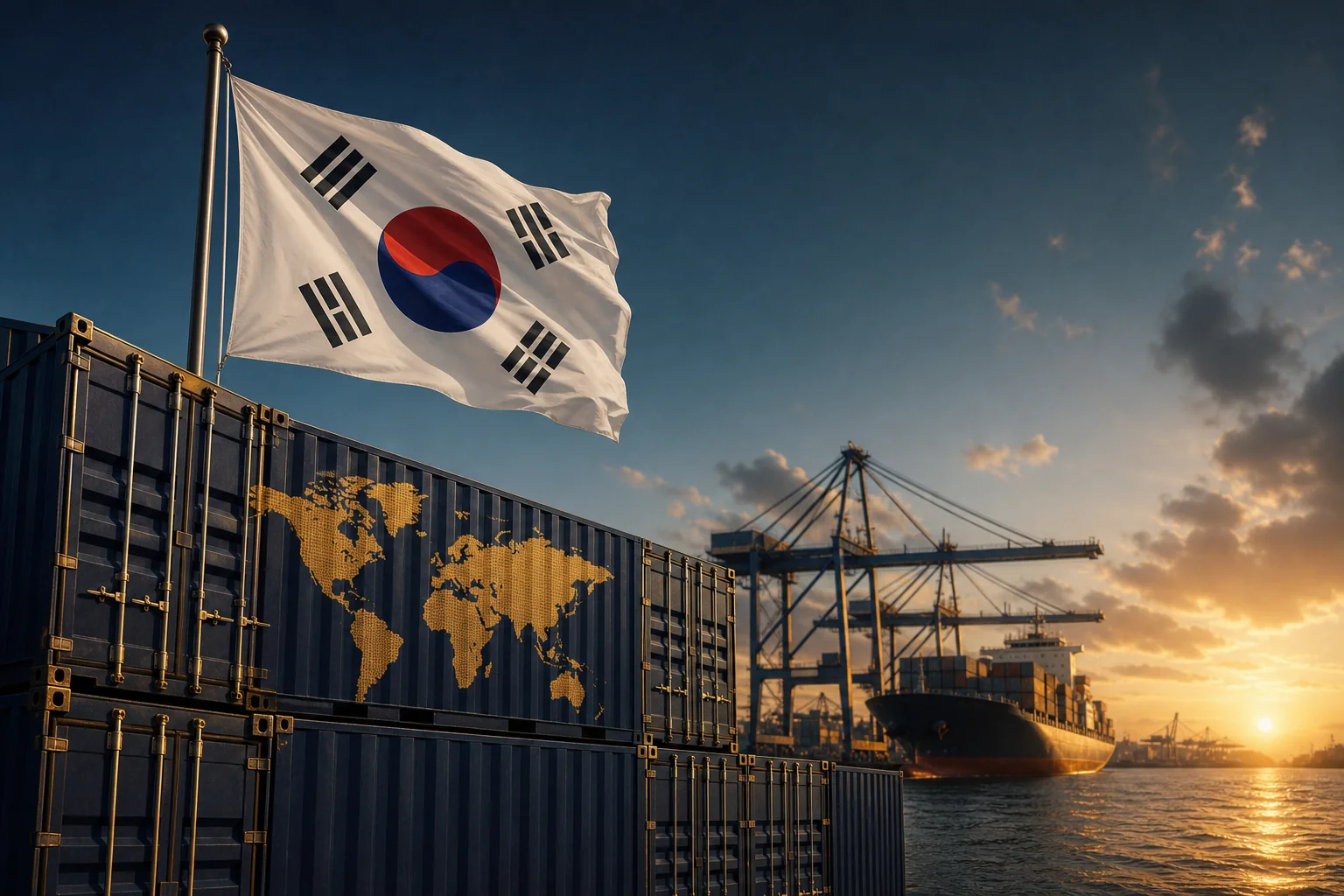
South Korea Exports Surge Toward Historic Trillion-Dollar Milestone
The nation records its strongest export growth in over five decades as global artificial intelligence investment drives ...

A recent high-profile hunting trip involving Donald Trump Jr. and a Kremlin-linked businessman highlights the ongoing scrutiny of private associations.
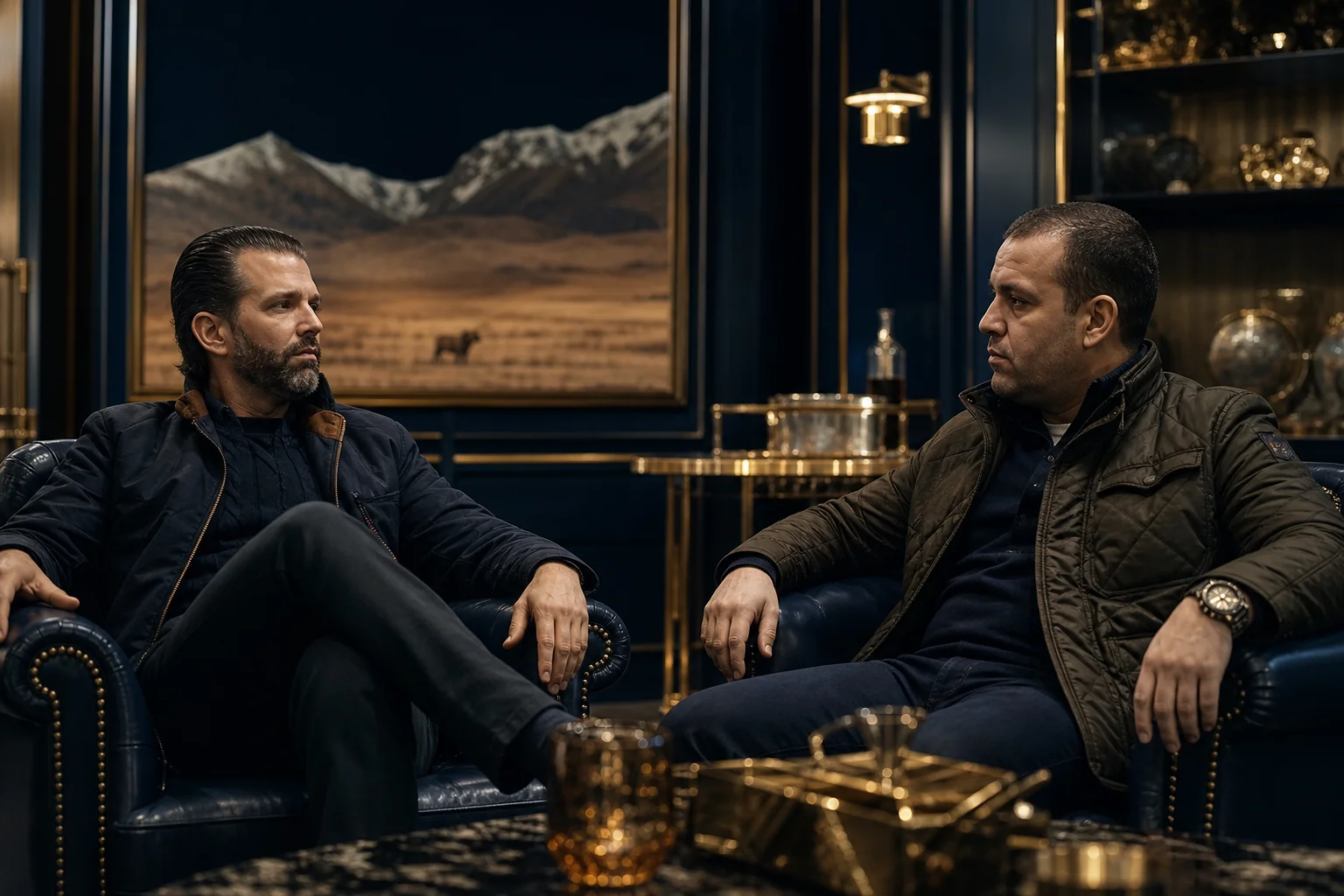

Donald Trump Jr. spent two days this summer in a remote Mongolian hunting camp alongside Umar Kremlev, a Russian businessman known for his extensive ties to the Kremlin. This meeting in western Mongolia occurred during a period of heightened international attention toward the private activities of individuals within the inner circle of the American presidency.
Flight records and accounts from local guides indicate that Kremlev traveled to the Mongolian capital of Ulaanbaatar via private jet after attending a boxing press conference in Kazakhstan. Upon arrival, he proceeded directly to the remote camp where Trump Jr. was engaged in a hunting expedition while under the protection of a U.S. Secret Service detail.
The logistical arrangements for the trip were partially facilitated through a charity auction, which allowed participants to secure access to the president’s son for bids reaching as high as $140,000. This specific excursion follows previous reports regarding the financial connections between the two men, including the partial funding of a wedding ceremony held on a private Caribbean island earlier in May.
U.S. President Donald Trump later confirmed that his son had reimbursed Kremlev for those wedding-related expenses following public disclosure by ProPublica. The recent gathering in Mongolia underscores the persistent intersection between private social interests and the complex web of global influence that often surrounds high-net-worth individuals.
Kremlev currently serves as the head of the International Boxing Association and remains under active sanctions imposed by Ukraine. These sanctions are linked to his professional and personal associations with Russian President Vladimir Putin, specifically through his connection to Alexei Rubezhny, the director of the Kremlin leader’s security service.
Observers present at the Mongolian site noted that both Trump Jr. and Kremlev appeared to exercise significant caution regarding their public visibility during the trip. This discretion highlights the awareness of the optics surrounding such high-level international meetings in an era defined by strained diplomatic relations between Washington and Moscow.
A spokesperson for Trump Jr. characterized the interaction as a reflection of a long-standing personal friendship rather than a professional or business-oriented arrangement. The representative emphasized that the shared interests of the two men, specifically regarding hunting and outdoor activities, served as the primary foundation for their meeting.
Former U.S. counterintelligence officials cited by the Financial Times suggest that such personal contacts between relatives of American leaders and figures with direct Kremlin ties present distinct security considerations. These experts argue that the informal nature of these relationships does not mitigate the potential for broader geopolitical scrutiny or risk assessment by intelligence agencies. The intersection of private wealth and state-level influence remains a focal point for those monitoring the transparency of political families and their international engagements.
The ongoing attention surrounding these international excursions indicates that the private lives of political figures remain subject to rigorous analysis by both the media and security analysts. As these individuals continue to participate in global events, the scrutiny of their associations and the mechanisms of their travel arrangements will likely persist as a significant area of public interest. This scrutiny is compounded by the fact that the individuals involved hold positions of visibility that attract constant observation from foreign intelligence services.
Future developments may hinge on how these personal networks are managed as the current administration enforces international sanctions and foreign policy mandates. Observers will continue to monitor the intersection of private travel, charitable involvement, and international diplomacy for any signs of shifting influence or policy implications. The consistency of these patterns suggests that the intersection of private social circles and global political power will remain a subject of intense investigation for the foreseeable future.