Technology

Marvell and Lumentum Forge Massive AI Connectivity Alliance
The $115 billion acquisition marks a major shift in semiconductor strategy as firms race to secure optical infrastructur...

Emerging technologies like AI, IoT, and Blockchain have become integral to modern ERP systems, revolutionizing how businesses operate and compete. These technologies enable ERP platforms to process data in real-time, optimize workflows, and provide actionable insights. By integrating these advancements, ERP systems transform from static databases into dynamic tools for strategic decision-making and operational excellence. […]


Emerging technologies like AI, IoT, and Blockchain have become integral to modern ERP systems, revolutionizing how businesses operate and compete. These technologies enable ERP platforms to process data in real-time, optimize workflows, and provide actionable insights. By integrating these advancements, ERP systems transform from static databases into dynamic tools for strategic decision-making and operational excellence.
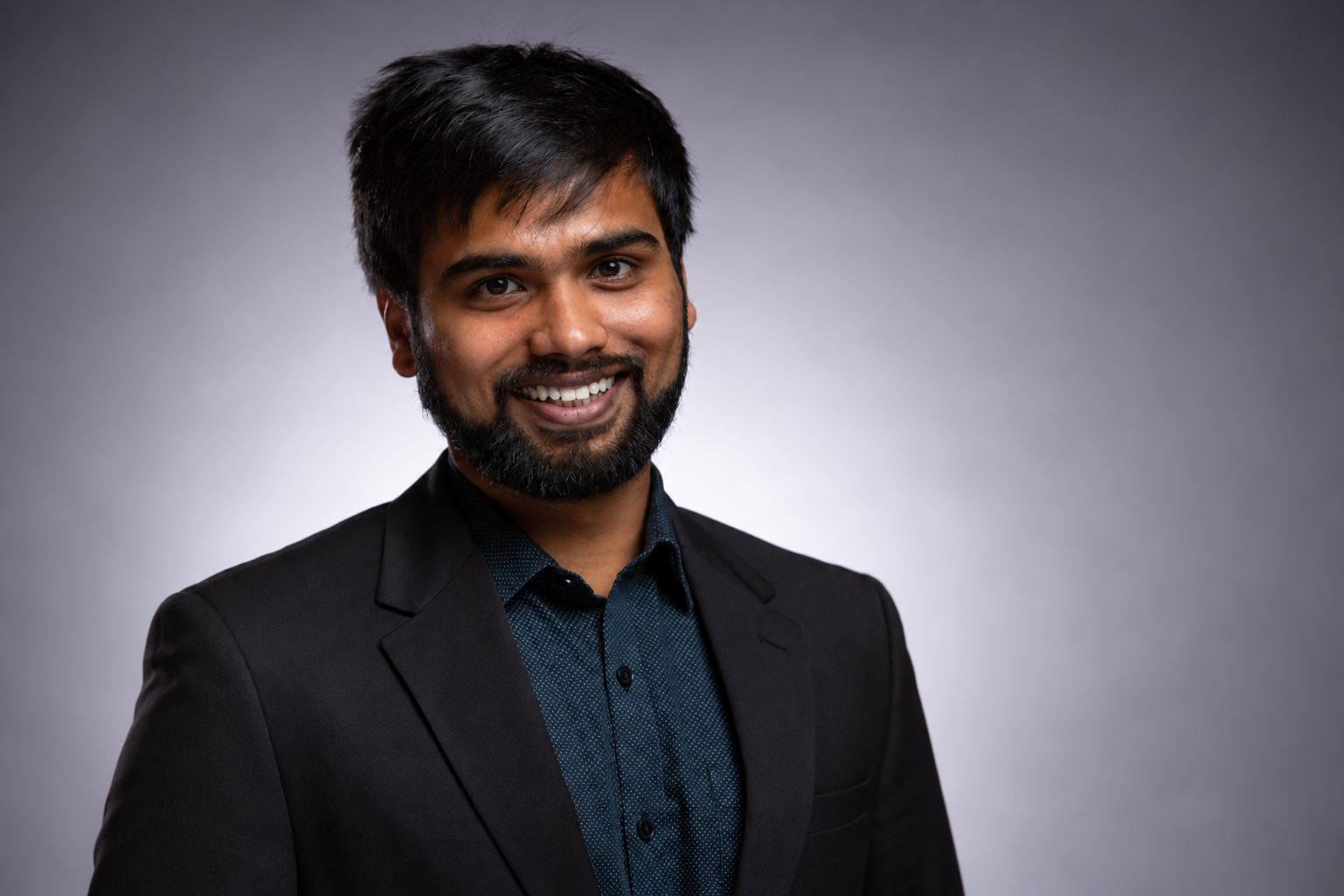
Sagar Gupta, a highly accomplished ERP Implementation Leader, has built a stellar career over two decades of technology leadership. With expertise spanning ERP systems like NetSuite and Microsoft Dynamics, as well as cutting-edge technologies like AI, IoT, and Blockchain, Sagar has a proven ability to lead transformative projects. His specialization in aligning IT strategies with organizational objectives has empowered businesses to streamline operations and achieve sustainable growth.
From cloud computing to digital transformation, heexcels in delivering innovative solutions that optimize processes and foster agility in competitive markets. With his strategic mindset and deep technical knowledge, Sagar is a visionary leader in the rapidly evolving tech landscape.
In recent years, emerging technologies have dramatically transformed ERP systems, turning them into central hubs for intelligent business operations. Sagar has been at the forefront of this evolution, leveraging AI to drive predictive analytics, automate data-heavy tasks, and create adaptive user experiences. These enhancements reduce inefficiencies, increase operational accuracy, and offer actionable insights for strategic decision-making.
Sagar’s approach to IoT integration allows ERP systems to capture real-time data from connected devices, improving supply chain visibility and enabling predictive maintenance. Moreover, Industry 4.0 technologies, such as smart manufacturing and robotics, amplify ERP capabilities by fostering seamless communication between digital and physical systems. According to Sagar, “Emerging technologies empower ERP platforms to transition from transactional tools to proactive systems that drive innovation and efficiency.”

Sagar’s leadership has resulted in tangible improvements for organizations across various industries. By spearheading over 5 ERP implementations, he has driven a 40% increase in operational efficiency while simultaneously reducing infrastructure costs by 30% through strategic cloud migrations. These achievements are only the tip of the iceberg. For instance, his application of AI in demand forecasting has allowed businesses to align inventory with consumer needs, significantly reducing waste and improving profitability.
In manufacturing, he has implemented predictive maintenance solutions that leverage IoT data to preempt equipment failures, cutting downtime by 40% and extending machinery lifespan. These examples underscore his ability to transform businesses by integrating ERP systems with advanced technologies that not only enhance efficiency but also create a competitive edge.
Addressing scalability challenges is a cornerstone of Sagar’s ERP strategies. He advocates for adopting modular, cloud-based ERP systems that enable businesses to seamlessly expand operations while maintaining performance and efficiency. Industry 4.0 technologies, such as interconnected devices and automation, further bolster scalability by allowing systems to adapt dynamically to real-time demands.
Sagar’s implementation of smart manufacturing solutions exemplifies this approach, as they enable companies to adjust production schedules instantly based on demand fluctuations. This capability not only optimizes resource utilization but also minimizes waste. “ERP systems should function as living ecosystems that evolve in real-time to meet business challenges,” Sagar explains. His innovative strategies ensure businesses are equipped to scale efficiently without compromising operational integrity.
Integrating emerging technologies like AI, IoT, and Industry 4.0 into existing ERP systems presents a unique set of challenges. Sagar has encountered and overcome issues such as legacy system incompatibility, data integration complexities, and heightened cybersecurity risks. He adopts a systematic approach to address these challenges, beginning with comprehensive audits of existing systems to assess compatibility and identify areas for improvement.
Middleware and APIs serve as key tools in bridging gaps between legacy infrastructure and modern technologies. Additionally, Sagar emphasizes the importance of data governance frameworks to ensure that the vast amount of information generated by IoT devices is clean, secure, and actionable. To mitigate cybersecurity risks, he integrates AI-driven anomaly detection tools, providing real-time threat identification and response. His proactive change management strategies, coupled with employee training initiatives, foster organizational buy-in and smooth transitions to new systems.
Looking to the future, Sagar identifies several trends that will redefine ERP systems in the coming years. Hyper-automation, which combines AI, machine learning, and robotic process automation (RPA), will play a pivotal role in automating complex workflows and enhancing operational efficiency. He also highlights the integration of digital twins—virtual replicas of physical assets—to enable real-time simulation and optimization. Another key trend is the rise of edge computing, which processes data closer to its source, reducing latency and enabling faster decision-making in time-sensitive scenarios.
Sagar believes that blockchain technology will further enhance ERP systems by ensuring secure and transparent transactions, especially in supply chain and financial operations. “The next wave of ERP innovations will transform them into intuitive, self-learning systems that drive business success,” he asserts. By staying ahead of these trends, Sagar ensures that the businesses he leads remain competitive in a rapidly changing technological landscape.
Sagar’s remarkable career reflects his unwavering commitment to technological innovation and business transformation. By seamlessly integrating emerging technologies into ERP systems, he has demonstrated how businesses can achieve unparalleled operational excellence and adaptability. His visionary approach not only addresses current industry challenges but also prepares organizations for future advancements. As a leader, Sagar embodies the spirit of continuous improvement, leveraging his deep expertise to create intelligent, data-driven solutions that empower businesses to thrive in a competitive global market. His work stands as a testament to the transformative potential of aligning technology with strategic goals, positioning him as a trailblazer in the digital transformation space.