Business
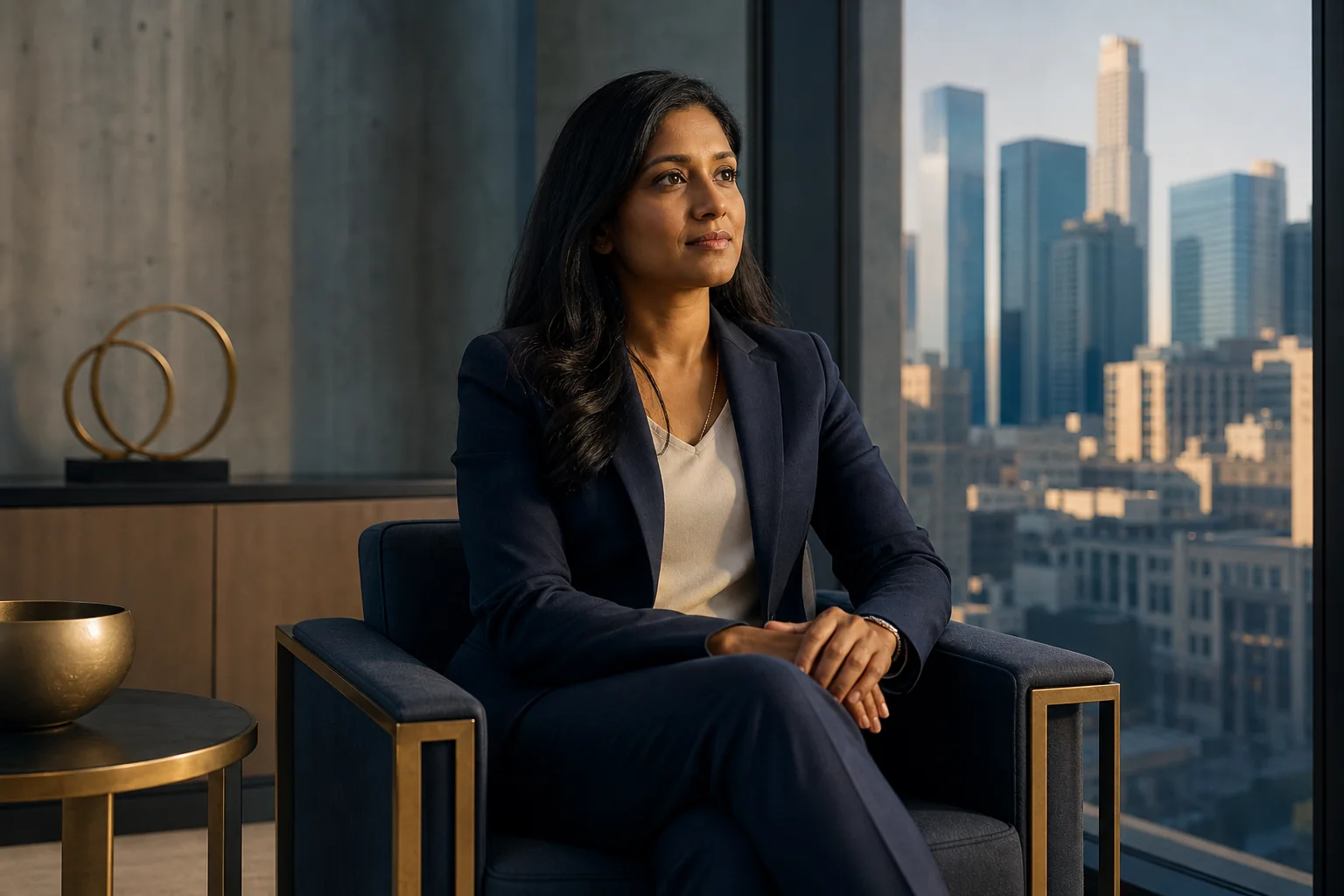
Nithya Raman and the Evolving Standards of Urban Governance in Los Angeles
The city council member balances progressive policy goals with the practical demands of municipal administration in a ch...

OpenAI’s shift toward open source marks a significant ideological change, led by CEO Sam Altman’s candid acknowledgment of past missteps. As the company balances innovation and ethical responsibility, the tech world watches closely.


In the ever-evolving world of artificial intelligence, where the race to innovate and outperform is as fierce as a Formula 1 Grand Prix, OpenAI finds itself at a pivotal juncture.
The company, known for its groundbreaking advancements and, of course, the much-debated ChatGPT, is now reflecting on its approach to open source.
And leading this introspection is none other than the candid and often audacious Sam Altman, CEO of OpenAI.
In a recent Reddit AMA that could only be described as a digital town hall meeting, Altman admitted to what some might consider a radical shift in ideology.
“We’ve been on the wrong side of history,” he confessed, speaking about OpenAI’s traditionally closed-off stance on sharing its technological secrets.
It’s a rare moment in the tech world when a leader openly acknowledges past missteps, especially when such admissions could be seen as vulnerabilities in the cutthroat AI landscape.
OpenAI’s reluctance to embrace open source has long been a sore point among tech enthusiasts and competitors alike.
This sentiment is particularly poignant as the company contends with the rise of Chinese competitors like DeepSeek, which not only threaten OpenAI’s dominance but have also been accused of pilfering intellectual property.
The stakes are high, and the pressure is palpable.
It’s not just about keeping up with the competition, though.
Altman’s reflections suggest a deeper philosophical tug-of-war within OpenAI.
The company has always balanced on the tightrope of innovation and ethical responsibility, and this tension has only intensified as their models grow more powerful.
The notion of recursive self-improvement—where AI systems autonomously enhance their own intelligence—once seemed a distant sci-fi fantasy but is now inching closer to reality.
Altman, ever the visionary, now considers a “fast takeoff” more plausible, though he tempers this with his characteristic caution.
In a world where AI’s potential to revolutionize industries is matched only by its capacity for misuse, OpenAI’s collaboration with the U.S. government on nuclear defense speaks volumes.
Kevin Weil, OpenAI’s chief product officer, assures us that the scientists involved are not only AI savants but also rigorous and methodical in their approach.
Trust in their expertise is paramount, especially when the specter of AI-assisted weaponry looms large.
As for the future of OpenAI’s product lineup, enthusiasts and critics alike are on tenterhooks.
The anticipated o3 reasoning model is expected soon, and whispers about a successor to the now-antiquated DALL-E 3 have sparked curiosity.
Weil teases that the wait will be worthwhile, hinting at a leap forward in image generation technology.
One can’t help but admire the audacity of OpenAI’s ambitions, even as it grapples with its place in the annals of AI history.
Altman’s admission of past errors is a refreshing breath of humility in a field often characterized by hubris.
As OpenAI looks to recalibrate its open-source strategy, the world watches with bated breath, eager to see how this tech titan will redefine its legacy.
Whether OpenAI will lead the charge into the next era of AI or merely keep pace with its challengers remains to be seen, but one thing is certain: the journey will be anything but dull.

The collapse of the breakaway tour concludes a volatile period of financial disruption in professional golf.